

Pick up a bottle in a shop and watch what people do. They flip it over. They read the back. Drinks with short labels sell well, and all natural food coloring is a big part of that. Brands see it. Recipes are changing fast.
Clean label sounds like a slogan. It is really a promise. Fewer things inside. Names a kid could say out loud. For a drink plant, that promise touches every step, from the mixing tank to the cap. Here is how it plays out.
Why Shoppers Read Labels Now
Trust changed first. People got curious about what they drink, and phones made it easy to check. A mom in a store aisle can look up a strange word in ten seconds. If the name looks scary, the bottle goes back. That one moment can end a sale. It is that fast.
Color is the first thing buyers judge. A pale orange soda feels wrong. That is why food coloring for drinks now gets as much love as flavor in many meetings. Plant shades let brands keep a bright look and a short label.
What Clean Label Really Means
No set rule exists in most places, which shocks people. Brands make their own rules. Most agree on a few basics. Things from plants or food. No fake dyes. Nothing a home cook would not know. It is a moving target.
That loose meaning has a cost. Two drinks can both say clean and still be very far apart. Smart teams write a list early. What stays in. What stays out. Who says yes. Then they stick to it. Easy to say, hard to do.
Color Comes From the Garden
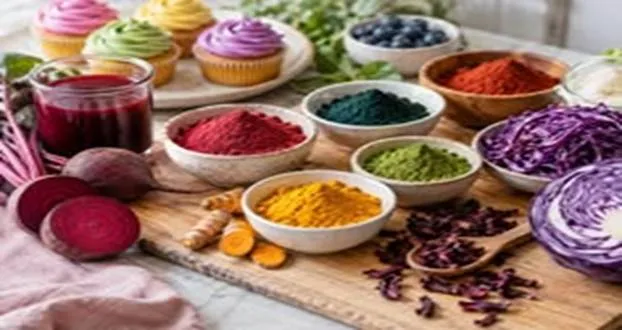
Carrots, beets, turmeric and purple sweet potato all hold strong color. Makers press them, filter them and boil them down to a powder or a liquid. Spirulina and butterfly pea flower bring blue, a shade that was once hard to find. Plants did this job long before us.
Each source acts a bit different. Beet red fades in bright light. Turmeric yellow can shift with acid. That is why mixers pick a color the way a chef picks a knife, to fit the job. No one color fits every drink. Testing clears up most doubt.
Keeping Shades Steady in Drinks
Drinks are hard on color. They hold acid. They get heated. They sit under store lights for weeks. A shade that looks great on day one can go dull by week six. Plant color is gentle, and that makes it touchy.
Good suppliers test the exact drink. Same acid level, same bottle, same shelf. Some pick a tougher source or change the dose. Buying food coloring for drinks with no testing is like buying shoes in the dark. You might get lucky. Probably not.
Taste, Smell and Texture Matter
Color should stay quiet. Nobody wants a red drink that smells like boiled beets. Today, plant extracts are cleaned so they add little smell or taste. That leaves the main flavor free to do its job. Small detail, big gain.
Mouthfeel counts too. Some colors clump or cloud a clear drink. Others sink to the bottom in a week. Teams check clarity, sediment and foam in small test batches first. Dull work. Worth it. A cloudy lemonade looks homemade. A cloudy blue drink just looks wrong.
Supply Lines and Steady Batches
A bright color means little if the next truck brings a new one. Drink plants run huge loads, so every batch must match. Buyers ask where the plants grew, how the color was made and what papers prove it. Fair questions, all of them.
Crop weather matters too. A rainy season can change color strength. Suppliers who run the farm and the plant can fix things early. If a brand puts all natural food coloring on the label, that steady match is part of the promise. Shoppers spot a change fast. They also talk.
Conclusion
Clean labels are not a passing mood. They change how drinks get made, from the first idea to the last pallet. Color sits at the front, since people see it before they taste a drop. Hard to argue with that.
Brands that start with tests, clear rules and a steady supplier avoid costly rewrites later. To see natural color options for your own recipes, visit foodrgb.com and ask for a sample. Try it in your real drink. Take your time. One look in the actual bottle beats any chart.